Welcome to Mikro-Tek MICROBIAL TECHNOLOGIES FOR THE ENVIRONMENT
Mikro-Tek is a carbon project developer and supplier of carbon offset creditsOffsets are the mechanism by which the impact of emitting a tonne of CO2 can be negated or diminished by avoiding the release of a tonne elsewhere, or by absorbing a tonne of CO2 from the air (domestically or internationally) that otherwise would have remained in the atmosphere.
Click here to view the full glossary generated through the application of their technology in land use projects such as forestry.
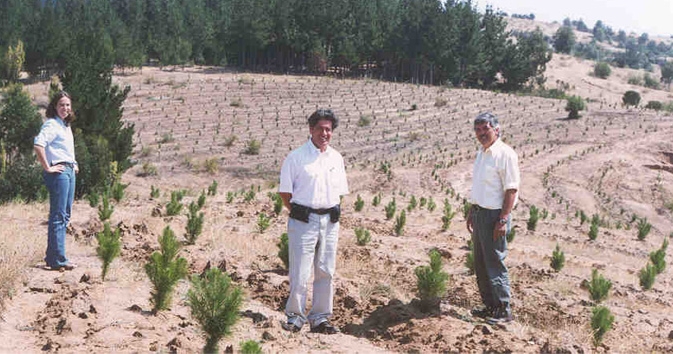
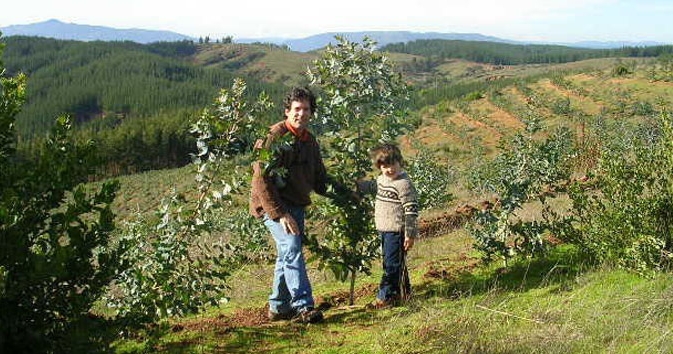
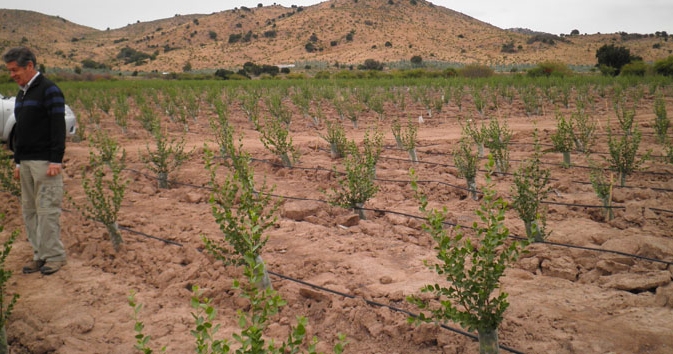
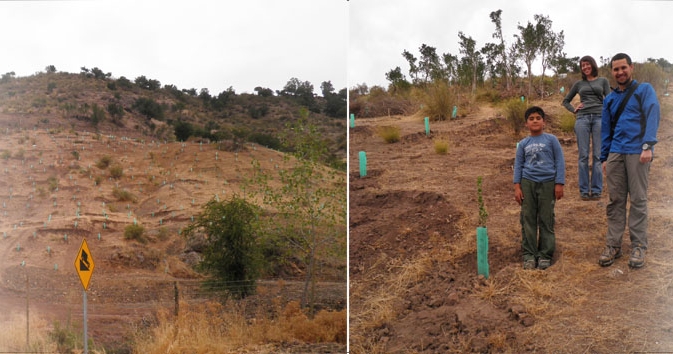
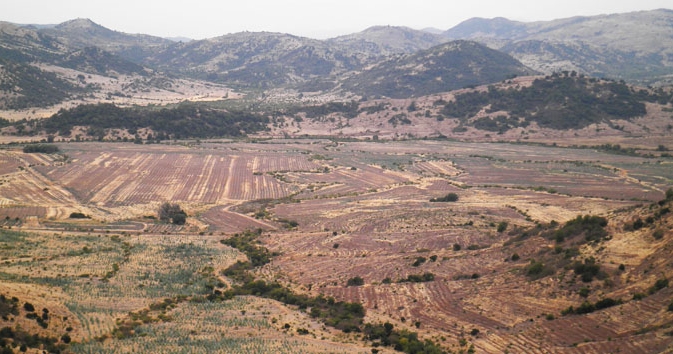
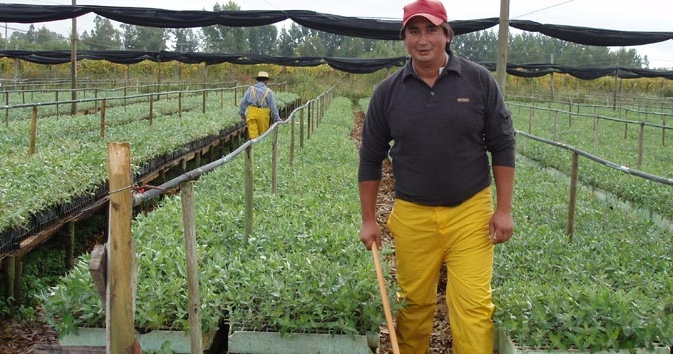
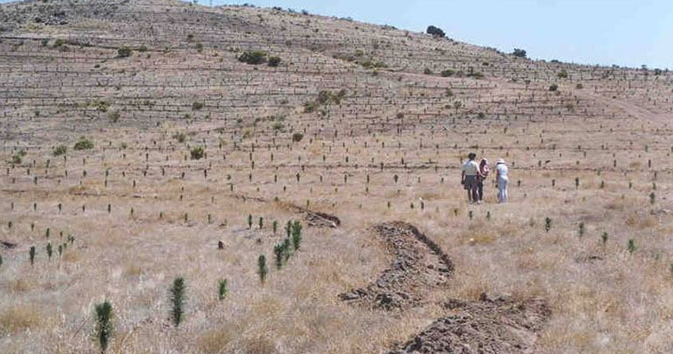
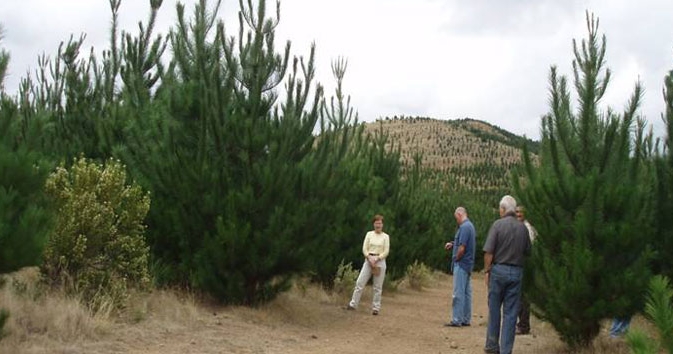
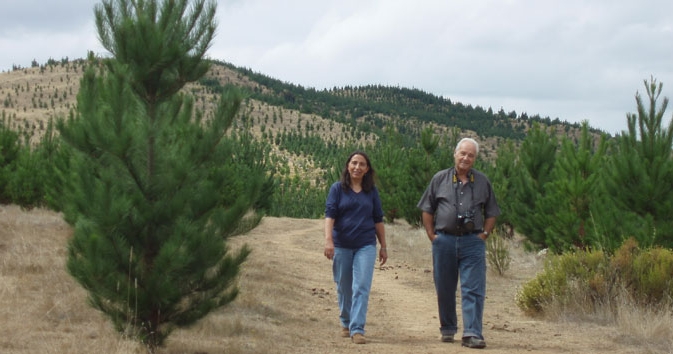
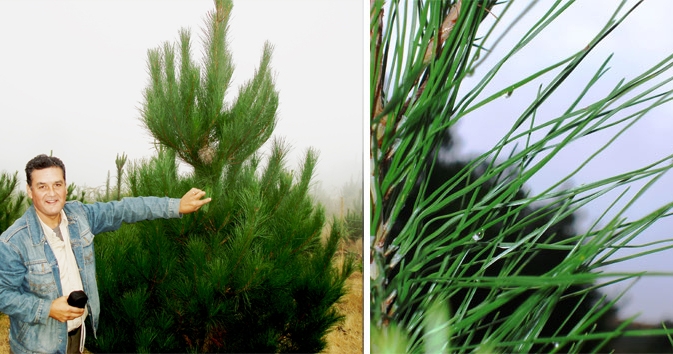
Since 2003, Mikro-Tek has planted new forests on more than 7,500 hectares of unproductive land in Chile, and has applied their technology in reforestationThe conversion of non-forested land to forested land through planting, seeding and/or the human induced promotion of natural seed sources, on land that was forested, but that was converted to non-forested land (e.g. through forest harvesting). Mikro-Tek's domestic forestry projects fall within this category because they are part of Canada's reforestation program, whereas projects in Chile are considered afforestation projects because they convert grassland to forest.
Click here to view the full glossary projects in the Canadian boreal forest. Together these forest carbon sequestrationReduction of net emissions of carbon dioxide (CO2) can be accomplished in two ways: either by reducing the rate at which CO2 is added to the atmosphere (e.g. those produced from burning fossil fuels or from clearing and burning forests), or by increasing sequestration the rate at which CO2 is removed from the atmosphere (e.g. by storing additional carbon in forests, soils and other carbon sinks). The latter can be accomplished through land management activities including re-vegetation, reforestation and afforestation as well as forest, cropland and grazing land management. Through photosynthesis plants remove carbon dioxide from the air, give off oxygen, and store the carbon as biomass. About one half of the dry weight of plant biomass is carbon, and one tonne of carbon in biomass represents 3.67 tonnes of atmospheric carbon dioxide.
Click here to view the full glossary projects have generated approximately 1.4 million offset credits that are available to industry to help them meet their emission reduction targets in an environmentally sustainable way.
In 2010 Mikro-Tek registered their Chilean project with the United Nations under the Clean Development Mechanism (CDM)A market mechanism defined in Article 12 of the Kyoto Protocol as a project between a developed country and a developing country that provides the developing country with the financing and technology for sustainable development and assists the developed country in achieving compliance under the regulatory system in which they normally operate. The project can occur in any country that is a member of the CDM Annex 2.
Click here to view the full glossary of the Kyoto Protocol. It was the first registered CDM forestry project in Chile, seventh in the world, and the first CDM project completed by a Canadian company.
In 2013, Mikro-Tek‘s forestry projects in Chile were registered under the Verified Carbon Standard (VCS). Currently the company has 1.4 million verified carbon units (VCUs) registered and available to help industry and governments meet their emission reduction targets.